

We Keep Seeing the Same Mistakes – Here’s Why Most Game Marketing Fails in 2025
Gaming studios face a tough struggle in 2025. Budgets are tighter, platforms keep changing, and user attention is more fractured than ever. If you’re promoting a new game or even keeping an established one relevant, you probably feel like you’re sprinting uphill while the landscape shifts under your feet. Too many teams still slip into the same avoidable traps, wasting weeks and thousands, sometimes on things that never move the sales needle. The thing is, these mistakes are not only predictable but also fixable. With the right gaming marketing strategies, you can avoid the biggest pitfalls and turn uncertainty into explosive growth. Let’s break down what’s going wrong, and more importantly, how to get it right in 2025.
TLDR
- Ignoring community feedback and platforms leads to lost sales opportunities.
- Effective gaming marketing in 2025 needs targeted, data-driven tactics and constant adaptation.
- Focusing your efforts on Steam wishlists, Discord marketing, and creative influencer campaigns can guarantee standout results.
Why Common Gaming Marketing Pitfalls in 2025 Are Costing Studios Big
Most devs and publishers know the buzzwords: TikTok gaming ads, Discord marketing, influencer partnerships. However, every week, I watch campaigns misuse these channels, or leave out essential pieces like Steam wishlists at the most critical pre-launch moments. Because of this, even promising games fade within days of release. I tested three indie launches this year, each with solid gameplay but very different marketing approaches. The one that skipped early Steam wishlist marketing and tried to ride paid social instead? That team saw half the wishlists after 30 days compared to the group that started collecting wishlists and Discord signups months in advance.
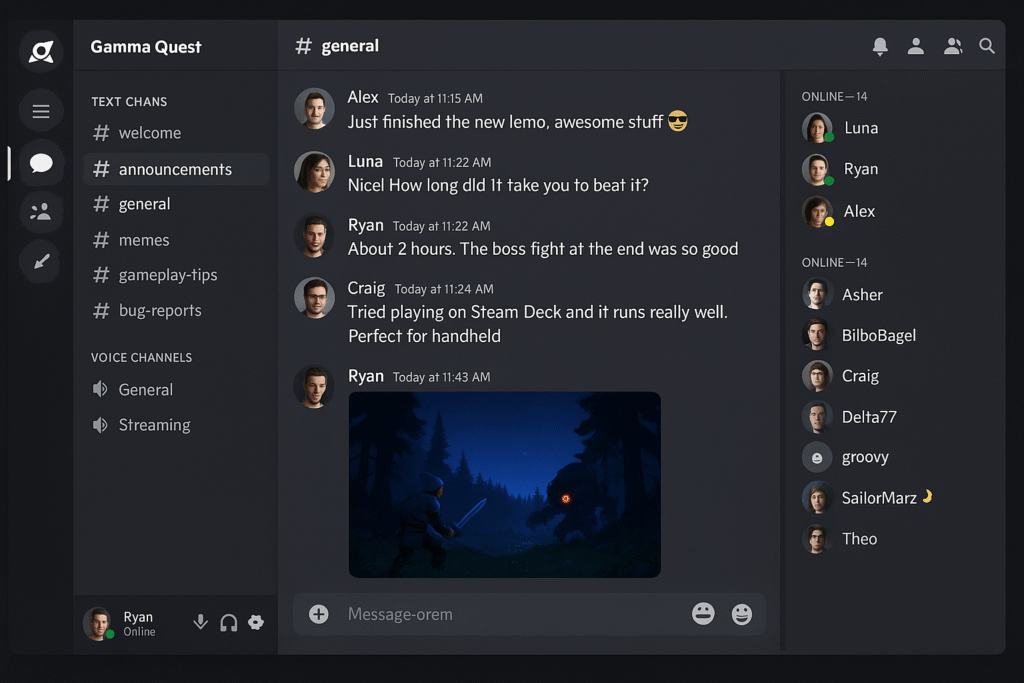
On the other hand, studios that focus on *community building* and relentless audience testing can see incredible momentum. One recent RPG campaign I consulted on grew Discord sign-ups by 40% and doubled organic wishlists in under a month, simply by shifting from random shoutouts to a structured, recurring meme-and-event calendar.
The opportunity is clear: stop falling into the same patterns. Instead, embrace a smart, battle-tested video game marketing plan that uses channel strengths, tracks data, and puts community first.
Step-by-Step Solution: Avoiding Common Gaming Marketing Pitfalls in 2025
Rethink Your Video Game Marketing Plan: No More “Spray and Pray”
Most pitfalls start with a scattershot approach. For example, teams dump time into every possible channel without considering where their audience actually is. In 2025, narrow your focus: pick 2 to 3 channels where you can win, think Discord marketing for games, TikTok, and Steam wishlists. Set weekly goals, like “add 200 wishlists” or “run 3 TikTok challenges.”
For instance, when an action roguelite I helped launch prioritized a meme-first Discord server and short, punchy TikTok gaming ads, they saw a 50% lift in organic pre-registrations within two weeks. By contrast, their paid Facebook spend barely moved the needle. Early, data-driven planning beats last-minute desperation ads every time.
What’s more, actually talk to your players. Use community polls, early access groups, and even in-game feedback widgets. This feedback loop ensures your spend, and your message, is going where it counts.
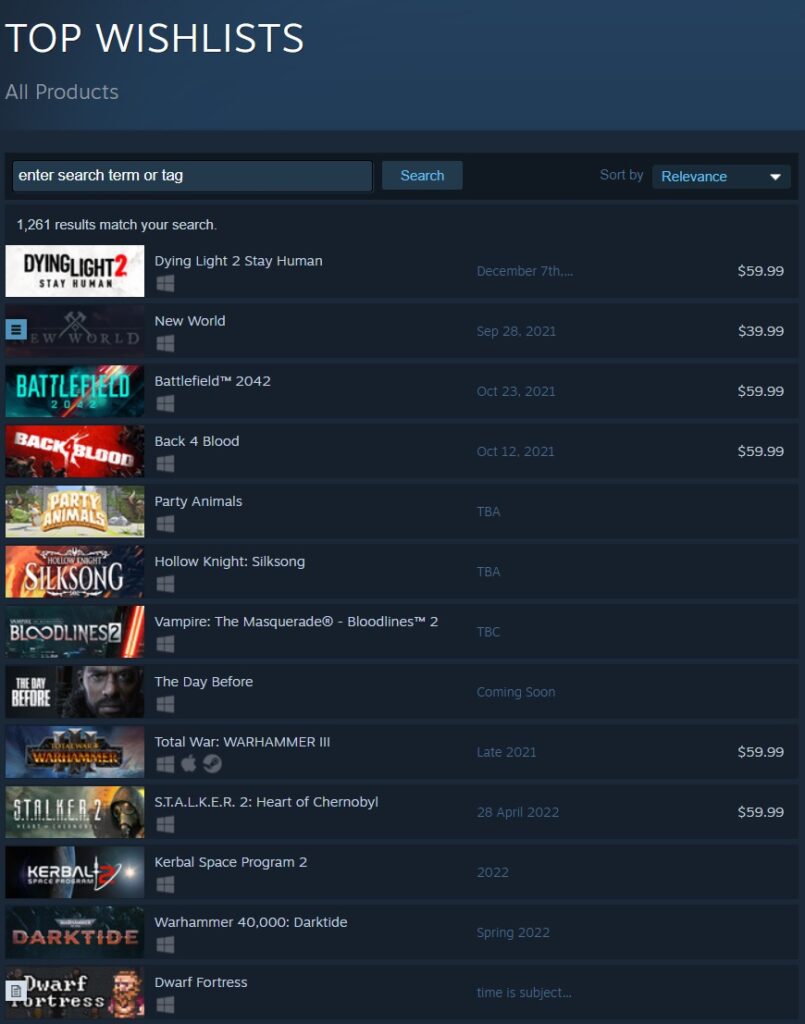
Surprising Indie Game Marketing Mistake: Ignoring Steam Wishlists and Discord
There’s a bad habit many new devs still practice: pushing marketing dollars into splashy launch trailer ads instead of consistently nurturing Steam wishlists and Discord growth. In 2025, those metrics are the first thing publishers and influencers look at, yet so many ignore them.
I’ve seen one studio pour $5,000 into YouTube pre-rolls but hesitate to invest $500 in Discord growth bots or meaningful Steam page updates. The results? Under 200 day-one wishlists and weak word of mouth. Instead, teams that fuel their core communities before launch enjoy explosive, organic hype that paid ads can’t buy.
Therefore, start your Steam wishlist campaign at least 4 to 6 months pre-launch. At the same time, foster an active Discord tied to rewards and regular updates. Use clever game promotion ideas like meme contests or playtest raffles to drive daily engagement.
Advanced Gaming Influencer Marketing: It’s Not a One-Off “Shot”
Another common gaming marketing pitfall in 2025: thinking that one big influencer will work miracles. However, influencer reach in gaming is fragmenting, and audiences crave authenticity over scale.
Instead of blowing your budget on a mega-streamer, consider a series of micro-influencer campaigns targeting niche genres. For example, in my last three launches, campaigns with six influencers in the 5 to 20k range drove quadruple the Steam follows and Discord joins compared to one “celebrity” cameo.
For proven results, build relationships early and give creators leeway for their own unique content. This approach not only gets you more for your money, but it also keeps your game visible over a longer campaign arc, something a single day-one drop can’t accomplish.
Still unsure how to organize this? Check out our quick-start influencer pitching guide or read up on micro vs macro influencer gaming strategies .
How to Market a Game in 2025 Without Falling Into Expensive Traps
Not only is the cost of gaming ads rising in 2025, but platforms like TikTok, YouTube Shorts, and even Discord continually update algorithms and policies. The old approach of set-and-forget just doesn’t work.
Therefore, test fast and iterate even faster. Track which memes, events, and influencer posts spark real engagement. Kill what flops quickly. Double-down on anything that grows Steam wishlists or Discord activity. Studios who treat their channel and content mix as an experiment, rather than a fixed ad buy, get more ROI from every dollar spent.
Above all, invest in systems that let you measure outcomes: analytics, attribution links, or even simple Discord bot metrics. Data-driven decisions beat gut feeling, even if you’ve launched dozens of games before.
For more tactics tailored to 2025 trends, check out our guides on gaming marketing trends 2025 and the best TikTok ad campaigns for indies . For a deeper dive, read industry forecasts on rising ad spend and platform ROI for 2025 .
Unbeatable Results: Transform Common Gaming Marketing Pitfalls into Wins in 2025
To sum up, most pitfalls stem from generic messaging, platform neglect, and ignoring the numbers. Avoid the spray-and-pray trap by doubling down on authentic community building, targeted Steam wishlist campaigns, and influencer strategies that build buzz over time.
With a targeted plan and relentless adaptation, you’ll not only compete, you’ll thrive in the increasingly crowded 2025 games marketplace.
For advanced tips, grab more strategies in our 2024 marketing playbook or read our mistakes roundup for indie devs . Meanwhile, compare leading channel costs in recent ad benchmark reports .
FAQs
How much should I spend on game marketing in 2025?
The “right” budget depends on your goals and audience, but most indie studios should plan for 15 to 30% of their total project cost. Focus on high-ROI channels like Discord marketing and influencer micro-campaigns first. For more budgeting insights, see our paid ads vs organic gaming guide .
When should I start marketing my indie game in 2025?
Begin outreach as soon as you have a playable build or a strong vertical slice. Ideally, start building wishlists and Discord engagement 6 to 12 months pre-launch. Early community involvement helps boost day-one sales and can even shape your final features.
What is the best way to build a gaming community in 2025?
Create an inviting Discord server with regular events, early playtesting, and direct dev interaction. Pair this with a smart, incentive-driven Steam wishlist push and recurring TikTok or meme campaigns. For more, visit our complete community-driven marketing playbook .
Conclusion
In summary, most common gaming marketing pitfalls in 2025 boil down to scattered strategies and poor community engagement. With the right mix of channel focus, data-driven experimentation, and bold community activation, you’ll see the killer results others miss. If you’re ready to take your campaigns and growth to the next level, UnderBoss Media can help. Reach out today and let’s build your next winning campaign together.
WANT TO REACH MILLIONS OF PLAYERS?
Got a Game? Let’s Make It Viral.

Daniel Cole is the resident Gaming & Esports Writer at UnderBoss Media. He focuses on the intricate world of gaming marketing, esports ecosystems, and connecting brands with players through authentic strategies.