

The Financial Pilot: Marketing AI Apps in the Age of Agentic Finance
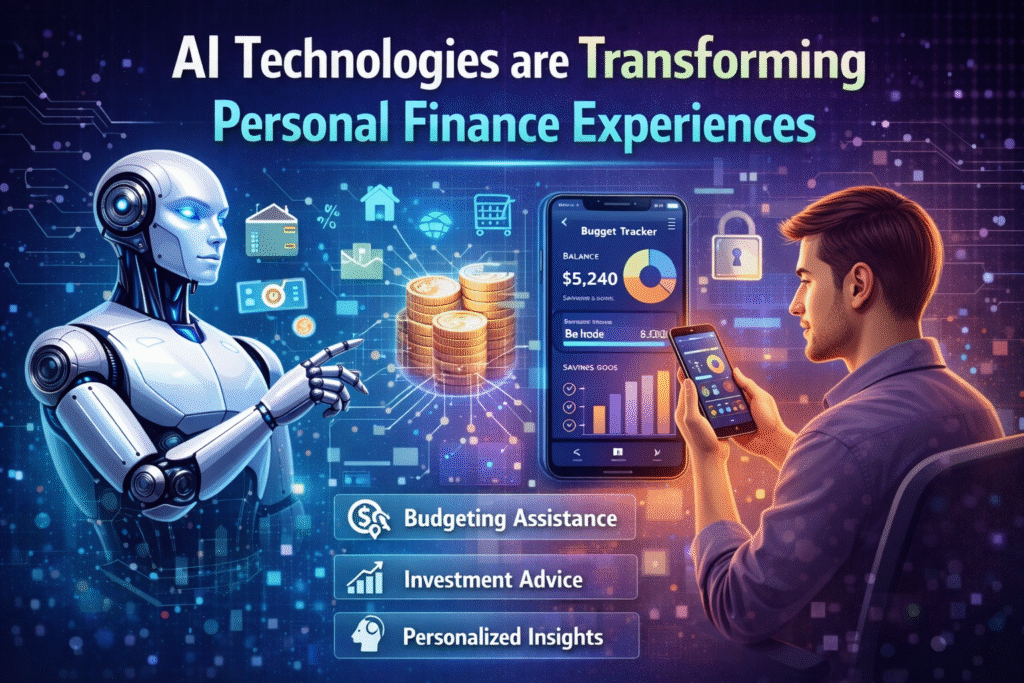
AI-powered personal finance apps have exploded across the fintech scene. In 2025, cutting through app-store noise is just the beginning, the real struggle is standing out and building trust while juggling privacy and compliance. Most teams still pour budgets into generic ads. As someone who’s guided dozens of fintech growth journeys, I see apps failing for the same reasons: weak retention, unclear benefits, and clumsy regulatory messaging. The opportunity now is using advanced, compliance-smart marketing to transform how you acquire and keep customers, before your rivals can catch up.
TLDR
- AI-powered personal finance app marketing in 2025 is a trust and retention game, plain acquisition alone won’t cut it.
- Compliance, data privacy, and hyper-personalized content are essential for sustainable growth.
- Blending smart UX, influencer trust, and gamification gives your app a bold edge in this overcrowded fintech market.
AI-Powered Personal Finance Apps Marketing in 2025: Why Most Teams Still Fail
Most marketing teams still believe that big ad spend and slick design are enough to drive explosive growth. However, in 2025, compliance-first marketing tactics now separate the winners from the wasted-budget crowd. For example, one client I worked with hit 40,000 installs in a month; yet, without compliance-driven messaging and privacy-focused onboarding, their user retention dropped 35% before we rebuilt their strategy. Most consumers now demand full transparency and expect ironclad data privacy, anything less loses their trust instantly.
Therefore, it’s essential to build trust in fintech early. This involves clear in-app prompts about how AI handles money data, plus permission-based personalization. Meanwhile, app store listings must reflect fintech advertising compliance and real value, because users know which features and promises matter.
Seizing the Opportunity: The New Rules of Fintech Marketing Strategy
Savvy fintech teams are leveraging hyper-personalized fintech ads, influencer marketing in finance, and gamification in fintech. The winning difference is laser-focus on user journeys and mobile banking UX. According to recent Finextra 2022 fintech trends, users prefer apps with frictionless onboarding and transparent reward systems. That means your entire funnel, from social and SEO to push notifications, must showcase not just features, but also genuine trust and compliance.
For instance, one neobank I advised grew monthly active users by 29% in five months through a mix of user-edged content marketing and smart referral rewards. They shifted from bland, jargon-heavy campaigns to relatable, authority-driven blog posts and trust-building mini-courses. Their growth was not only rapid, it was sustainable, thanks to a consistent trust narrative at every touchpoint.
Find out how content marketing in fintech and influencer partnerships can set up powerful recurring traffic and referrals.
Step-by-Step: Proven AI-Powered Personal Finance Apps Marketing Plan for 2025
Here’s a unique, field-tested marketing roadmap I recommend to fintech founders and growth teams in 2025:
- Compliance-First Onboarding: Start with privacy-positive, compliant messaging. Make data privacy in fintech a prominent step. For example, require explicit consent for every personal AI-powered financial recommendation.
- Mobile Banking UX as Differentiator: Invest in seamless flows and explain how AI simplifies, not complicates, budgeting. Useful: see mobile banking UX marketing impact for best practices.
- Content & Community-Driven Growth: Build trust by demystifying features. Use short explainer videos, which outperform static ads by 2X in click-through rates. Establish a branded community forum or social channel where users can ask questions and share tips.
- Influencer-Backed Trust: Collaborate with credible finance educators. Let them demo your app’s unique AI features in real-world scenarios. If possible, link influencer campaigns to in-app events for measurable conversions.
- Retention & Gamification: Layer in progress-tracking, savings streaks, and milestone badges. According to my experience, these gamification in fintech tactics improve day-30 retention rates by 18-25% when combined with smart push messaging and segmented email.
- Continuous A/B Testing: Whether it’s your homepage, onboarding flow, or push notification copy, keep optimizing. In 2025, AI in fintech growth means faster test cycles and better data, so make use of every insight.
See also: proven retention tactics for fintech apps and gamification in fintech app growth.
Advanced Retention Tactics and Building Trust in Fintech
If you want long-term app growth, focus firepower on building trust in fintech. I’ve found that transparency around AI decision-making, why certain budgeting tips appear, how spending analysis works, wins skeptical users. Share case studies of how your app actually helped real users. That authentic social proof is worth more than any polished landing page.
In addition, reinforce your commitment to data privacy in fintech at every opportunity. Even brief privacy policy reminders and visible third-party security badges on every major screen increase uptake rates and lower bounce.
For recurring engagement, segment your user base by financial goals and tailor content streams accordingly. Combined with A/B-tested gamification, these tweaks compound to create sticky habits. Check out the latest AI-powered retention strategies for hands-on guidance.
Strengthening trust is a long game. Keep your brand updated on compliance, share educational content like “How AI Keeps Your Data Safe,” and always explain, never just promise, how app privacy works. Users in 2025 expect real answers.
Compliance in Fintech Ads: Navigating the 2025 Landscape
Fintech advertising compliance is even tighter in 2025. Regulators now penalize even small lapses in disclosure or data handling. Therefore, align every campaign asset with the latest standards, leverage compliance platforms, and document your workflows.
When in doubt, work with a specialist or consult guides like fintech paid ads compliance. I’ve seen otherwise fantastic campaigns grind to a halt due to avoidable, last-minute compliance edits. Always treat compliance as a non-negotiable growth enabler, not a bottleneck.
Recent studies on fintech marketing risk back this up: proactive compliance boosts app installs, while failure is far costlier than over-preparing.
Frequently Asked Questions
How much should I spend on fintech marketing in 2025?
There’s no one-size-fits-all answer, but most early-stage fintech apps devote 20-40% of their annual budget to user acquisition and trust-focused campaigns. Test, measure, and rebalance quarterly.
What is the best way to build trust in 2025?
Lead with transparency about AI usage, amplify user success stories, and make privacy assurance obvious. Trust starts at onboarding and continues through every feature release.
How can fintech startups stay compliant in 2025?
Stay on top of evolving regulations, invest in compliance automation, and partner with legal advisors. Train your team to spot gray areas in content and advertising before regulators can.
Conclusion
AI-powered personal finance apps marketing in 2025 requires more than clever creative. It’s about trust, compliance, and relentless, data-fueled improvement. The best teams don’t simply acquire users; they keep them, delight them, and outmaneuver competitors who are still stuck chasing cheap installs. If you’re ready to take your AI-powered personal finance apps marketing to the next level, UnderBoss Media can help. Reach out today and let’s build your next winning campaign together.
READY TO REDEFINE YOUR MARKET?
You’ve got the product?
now own the market.

Nikola Vuković is the SaaS & FinTech Analyst Writer at UnderBoss Media. He breaks down complex fintech and software trends into clear, data-driven insights that help founders, investors, and marketers stay ahead of the curve.