

Conversational Finance: How AI Chatbots are Driving Modern Fintech Growth
Most fintech brands in 2025 are locked in a struggle to capture real attention. Users expect 24/7 answers, faster onboarding, and instant support, but internal teams are usually too stretched to keep up. As a SaaS and fintech growth marketer for over two decades, I’ve watched many startups burn budgets on ads or content that barely moves the needle. Now, those same brands are asking: what’s the proven way to finally engage, convert, and retain? The answer is surprising: using AI chatbots in fintech marketing is quietly becoming the killer advantage in 2025. But only if you do it right.
TLDR
- AI chatbots in fintech marketing provide instant, 24/7 engagement and personalized user journeys
- Compliance and data privacy are essential for winning trust and avoiding fines
- A strategic step-by-step approach unlocks higher acquisition and retention
Why Using AI Chatbots in Fintech Marketing Matters in 2025
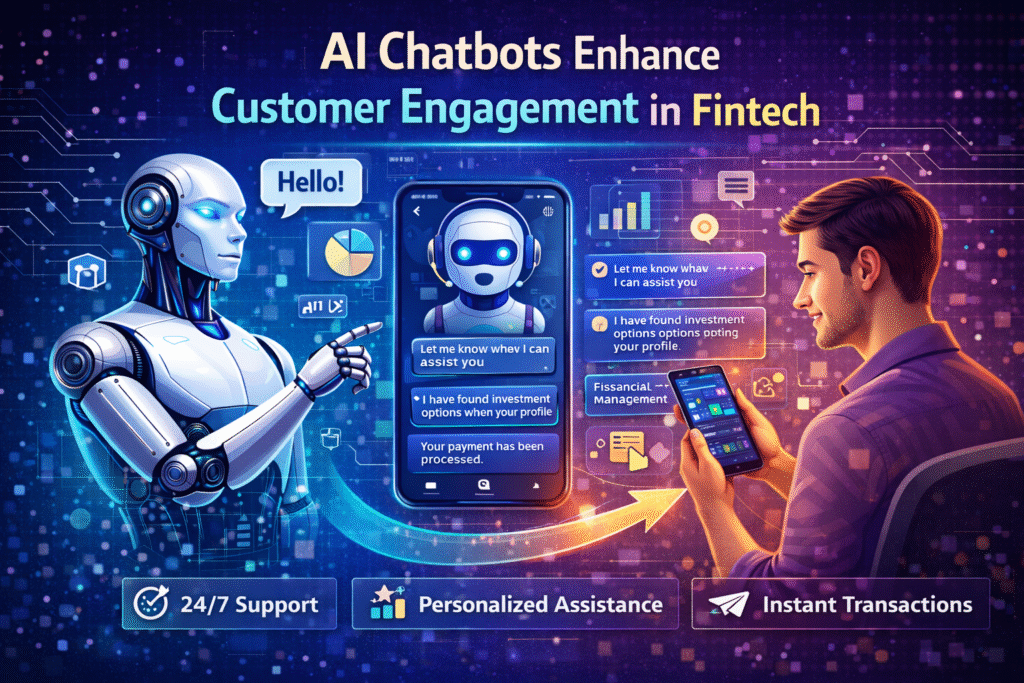
Today’s fintech audience demands instant answers and zero friction in every step of their journey. In 2025, old-fashioned FAQs or email forms just make you look dated. Meanwhile, advanced chatbot technologies can:
- Qualify leads instantly before a human ever steps in
- Guide users through complex sign-up or onboarding steps
- Trigger hyper-personalized recommendations, increasing cross-sell
- Resolve issues, improve satisfaction, and reduce churn in real time
Properly implemented, these bots don’t just save operational costs. They create unique experiences users remember. For example, a neobank I worked with saw a 28% increase in first-week retention after deploying a smart onboarding chatbot. Instead of users dropping off at document verification (a common pain), the bot walked them through, provided explanations, and even surfaced gamified rewards along the way. That changed the math completely.
Opportunity: Fintech Marketing Strategies Supercharged by AI Chatbots
While some fintechs still rely on old content marketing or influencer pushes, the leaders are quietly combining AI-powered conversations with growth tactics like:
- Onboarding flows that adapt to the user
- Mobile banking UX that blends live chat with embedded learning
- Automated triggers based on real-time data (not email drip blasts from the past)
Because chatbots plug into CRMs and analytics, they drive intelligent follow-ups and get smarter over time. Instead of cold nurture emails, you build ongoing, habit-forming retention loops with actual conversations. This “always-on” approach is what turns a single download into a loyal customer.
Compliance and Data Privacy in AI Chatbot Fintech Campaigns
However, this bold new wave isn’t risk-free. Every time you engage with users via automated chat, you handle sensitive financial data. This means strict fintech advertising compliance standards for data privacy, consent, and disclosures.
In 2025, regulators across the US, UK, and EU are scrutinizing bot-driven interactions. Fintechs face stiffer fines for missed disclosures or unclear consent flows. At UnderBoss Media, I’ve seen even fast-moving teams fall into this trap because they move faster than compliance can keep up. Win trust by integrating compliance from day one, not as an afterthought. Review our recent guide on compliance-first fintech campaigns for actionable steps.
Step-by-Step: Proven AI Chatbots in Fintech Marketing Playbook
Here’s my proven 2025 process for making AI chatbots your unbeatable fintech marketing advantage:
- Define high-impact journeys: Prioritize flows where chatbots move the needle (e.g. onboarding, helpdesk, triggered upsells).
- Choose a compliant platform: Select tech partners with bank-grade data privacy and embedded compliance controls.
- Map user concerns and build trust: Script bots to address pain points, explain fees, reinforce brand voice, and offer support at emotional moments.
- Embed in key touchpoints: Add chatbots inside your mobile banking UX, content hubs, and even influencer campaigns to capture every opportunity.
- Test, iterate, and train: Use real transcripts for continuous improvement. Spot drop-offs and correct misunderstandings before they become churn.
Fintechs that follow this system consistently see measurable gains. For instance, a payments app I consulted for reduced onboarding time by 35%, slashed email support tickets by half, and achieved a 19% conversion lift from bot-driven product recommendations. Layering on gamification (like “unlock a badge after completing your first transfer”) also drove up day-30 retention by 22%.
If you’re serious about differentiation, don’t just drop a generic chatbot on your homepage. Integrate it deep in your user flow and leverage the personal touch that users now expect in 2025. Gamification in fintech turbocharges engagement, especially when paired with smart automation.
Building Trust and Loyalty with AI Chatbots in Fintech Marketing
Many founders underestimate how much building trust in fintech hinges on human-like interactions. AI chatbots can, if done well, be your single most powerful tool for transparency and consistency. Users are more likely to share feedback, resolve doubts, and stick with your platform when the experience feels supportive, not robotic.
For even deeper impact, combine chatbots with content marketing in fintech. For example, surface helpful guides or explainer videos inside a chat flow, or hand off complex compliance questions to specialist agents. See more ways to nurture trust in digital finance for actionable best practices.
Influencer Marketing and Retention Tactics: Extend the Bot’s Reach
Don’t miss the chance to link chatbot interactions with influencer marketing in finance. While this surprises some teams, influencers can “handoff” their followers to your chatbot (for personalized offers or onboarding help). This approach shortens the journey from awareness to action.
Meanwhile, to keep users active, build chatbot flows for quick feedback, rewards, and surprise-and-delight moments. Brands that treat chatbots as a core part of their retention tactics for fintech ecosystem see lower churn and stronger community effects than those that treat bots as support-only tools.
FAQs About Using AI Chatbots in Fintech Marketing (2025)
How much should I spend on fintech marketing in 2025?
Budgets vary, but most high-growth fintechs dedicate 10-20% of gross revenue to marketing, with up to 15% of that specifically for AI-driven tools and chatbot integration. Always weigh spend against projected ROI and lifetime value.
What is the best way to build trust in 2025?
Start by making compliance and data privacy visible in every chatbot flow. Use clear language, offer immediate human escalation, and provide ongoing user education both through bots and your content. Review our transparency blueprint for more ideas.
How can fintech startups stay compliant in 2025?
Work with legal and compliance teams from the start when designing chatbot scripts. Ensure clear opt-ins and data use disclosures. Use platforms with real-time audit trails, and regularly update policies to meet EU, US, and UK standards. This guide by Finextra 2022 fintech trends covers new mandates.
Conclusion
In 2025, using AI chatbots in fintech marketing is not just a trend, it’s an unbeatable growth engine, if you focus on smart journeys, compliance, and trust. Brands that deeply integrate chatbots across user touchpoints see higher conversions, better retention, and faster, compliant scaling. If you’re ready to take your fintech marketing to the next level with advanced AI chatbot strategies, UnderBoss Media can help. Reach out today and let’s build your next winning campaign together.
READY TO REDEFINE YOUR MARKET?
You’ve got the product?
now own the market.

Nikola Vuković is the SaaS & FinTech Analyst Writer at UnderBoss Media. He breaks down complex fintech and software trends into clear, data-driven insights that help founders, investors, and marketers stay ahead of the curve.