
Hyper-Personalization at Scale: Lessons from the 2025 Fintech Evolution
Fintech marketers face a brutal truth in 2025: most campaigns struggle to gain trust, keep up with AI disruption, or create loyalty. If you’re still recycling 2023 playbooks, you’re probably drowning in rising acquisition costs and legal risks. At the same time, today’s consumer expects personalized financial journeys with Netflix-level intelligence and zero patience for mistakes. I’ve watched many promising fintechs burn through their ad budgets simply because they ignored what really moves the needle now: building trust, mastering AI-driven personalization, and walking the compliance line. Let’s break down the new rules and how you can win before the competition catches up.
TLDR
- Trust, hyper-personalization, and transparent AI drive fintech marketing success in 2025
- Winning teams pair data privacy and compliance with creative growth tactics
- Miss these shifts and risk wasted spend or lost user trust
Why Fintech Marketing 2025 Demands a Bold Trust-Led Mindset
Consumers in 2025 are skeptical. The last few years have seen scandals and regulator crackdowns, so they no longer believe flashy promises alone. If you’re not building trust in fintech with real transparency, you are leaking users. For example, one neobank I partnered with saw a 40% drop in acquisition costs after adding clear fee breakdowns and interactive explainers in their journey. This is a trust tipping point, crucial for fintech marketing strategies now.
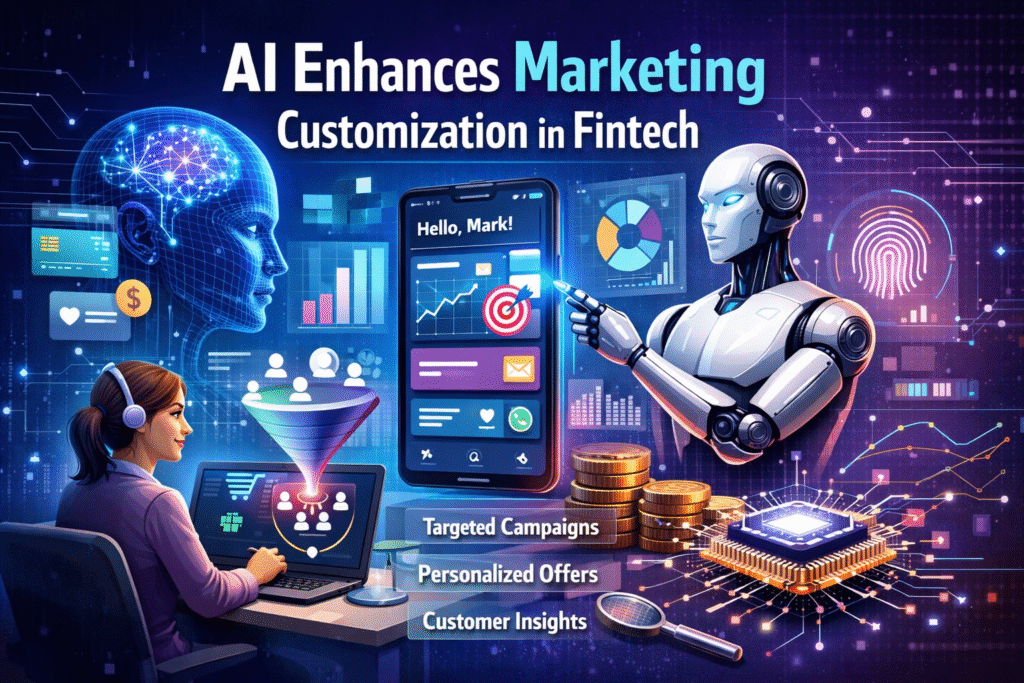
At the same time, AI-powered hyper-personalization is the new norm. Gone are the days when a generic onboarding flow worked; today’s user expects custom content based on past interactions and even their real-time behavior. For more on why this works, see personalization in mobile banking. But personalization alone won’t save you if your privacy practices are murky. I’ve seen fintech apps lose loyal users simply because they buried privacy policies or failed to keep UX friction low. In 2025, the winners connect data privacy and AI to every campaign.
If you’re dealing with these challenges, you’re not alone. Most fintechs, especially startups, are overwhelmed by compliance, worried about user attrition, and unsure how to harness AI safely. The opportunity? Master the 2025 playbook for trust, smart AI, and 1:1 personalization, all under the regulators’ eye.
Step-by-Step: Fintech Marketing 2025 Trust, AI & Hyper-Personalization Playbook
Step 1: Build Trust in Fintech with Radical Transparency
Start with the basics: clear privacy terms, transparent pricing, and live compliance proofpoints. Therefore, show users exactly what happens with their data and funds. For example, use interactive diagrams or real-time security dashboards. One mid-market wallet I consulted grew activation by 22% after introducing a visual risk audit feature at onboarding. You can build similar trust wins.
You’ll find more ideas in this deep dive on trust in fintech marketing. Don’t just copy wording; create true clarity about your processes. It pays off in both acquisition and retention.
Step 2: Unlock AI in Fintech Growth, But Stay Human
AI now powers more than 70% of fintech marketing automation stacks (see Finextra 2022 fintech trends for benchmarks). However, unless you tie AI predictions to real user needs, you’ll fall flat. Leverage AI for everything from risk scoring to dynamic content placement, but regularly review these systems to avoid bias and blandness.
I recommend scheduling human-in-the-loop reviews for all core campaign automations. Test your marketing chatbot’s tone, personalize follow-ups, and ensure you’re not pushing users away with over-automation. Advanced teams blend quantitative AI insights with storytelling in fintech marketing to maintain trust.
If you want to go deeper, check our breakdown on AI in fintech customer acquisition for real tactics.
Step 3: Hyper-Personalize Every Touch, But Guard Data Privacy
Hyper-personalization means treating every user action as a signal. For example, adjust in-app offers using purchase history, session duration, or even device type. A high-growth lender I coached used these signals to trigger relevant nudges, which lifted conversion by 18% over generic messaging.
But with hyper-personalization comes the responsibility to protect data privacy in fintech. Explicit consent, on-demand data controls, and visible privacy UI are table stakes now. If you’re not sure where to start, the data privacy asset guide covers the basics.
Mobile banking UX remains a competitive advantage, so audit your flows for friction, speed, and clarity. See examples in this mobile UX & marketing impact guide to spark ideas.
Advanced Fintech Advertising Compliance & Retention: Surviving 2025
Fintech Advertising Compliance: Avoid Hidden Landmines
2025’s compliance landscape is stricter than ever. Regulators review ads for misleading claims, KYC shortcuts, or “too good to be true” rates. Although compliance might seem like a growth blocker, it’s actually a differentiator. Clear disclosures and up-to-date certifications can boost ad trust dramatically. For a deeper dive on why this matters, see why compliance shapes fintech ads.
I’ve also seen teams use compliance as a creative hook, showcasing “live regulated by design” stories in social and influencer campaigns. This kind of content marketing in fintech works especially well for challenger banks and B2C apps.
Retention Tactics for Fintech: AI and Gamification in 2025
It costs five times more to acquire a new user than retain an existing one. That’s why the smartest fintechs use retention tactics fueled by AI and gamification in fintech apps. Push custom rewards, embedded financial education, and milestone surprises.
For example, an upstart payments app increased 6-month retention from 35% to 60% just by adding quarterly “progress checkpoint” popups and refer-a-friend games. If you want to see similar growth, you’ll find more strategies in our retention playbook and gamification guide for fintech.
2025 Fintech Marketing Strategy in Action: Smarter Influencer & Content Plays
Influencer Marketing in Finance & Content Marketing in Fintech
In 2025, influencer marketing in finance, done right, is not about big Instagram names. It’s about real creators with niche, active followings and a record of trust. For instance, partnering with a micro-influencer in the credit repair space helped one fintech triple qualified leads in Q2 2024. Go deep, not wide.
Content marketing in fintech also shifts from long blogs to engaging, short-form explainers and visual “how to” guides. Infographics or short animations showing “how your savings are protected” or “the path of your open banking data” lead to better engagement. See more in our past analysis of storytelling in fintech marketing.
PRO TIP: Short video explainers combined with clear privacy case studies build both trust and loyalty fast.
FAQs
How much should I spend on fintech marketing in 2025?
Budgets vary by stage, but most high-growth fintechs invest 7% to 12% of total revenue into marketing in 2025. That includes both acquisition and retention campaigns, as well as compliance resources. Early-stage startups may run leaner, focusing on hyper-targeted channels and organic influencers.
What is the best way to build trust in 2025?
Radical transparency wins in 2025. Communicate all data, fee, and privacy policies in plain language, show real-time security metrics, and give users control over their data. Don’t hide behind jargon or bury terms; users will notice and leave.
How can fintech startups stay compliant in 2025?
Stay updated with fast-changing regulations. Build compliance reviews into every marketing launch, from landing pages to paid ads and influencer content. Use automated compliance tools for first-line checks, but always schedule human reviews before campaigns go live.
Conclusion
Fintech marketing in 2025 requires more than hustle: it needs proven trust tactics, AI innovation, and a relentless focus on compliance and hyper-personalization. If you’re ready to take your fintech marketing 2025: trust, AI & hyper-personalization to the next level, UnderBoss Media can help. Reach out today and let’s build your next winning campaign together.
READY TO REDEFINE YOUR MARKET?
You’ve got the product?
now own the market.

Nikola Vuković is the SaaS & FinTech Analyst Writer at UnderBoss Media. He breaks down complex fintech and software trends into clear, data-driven insights that help founders, investors, and marketers stay ahead of the curve.